PR Crises are Never "Sudden": How Olaplex and Balenciaga Could Have Saved Millions with Syncly
Author :
Sang Kwon
Jan 29, 2026


In the world of social media, a brand’s reputation can vanish overnight. But if you look closely at history’s biggest PR disasters, they all share a common thread: The customers were whispering long before they started screaming. The most dangerous part? These whispers rarely show up on your official page. People discuss their fears, frustrations, and suspicions in the “hidden” corners of the internet, on Reddit threads, in the middle of a random TikTok or Reels, or via posts that never actually tag your handle. By the time a crisis is "trending" and hits your tagged notifications, it’s often too late.
The tragedy isn't that these crises happened; it’s that the data to prevent them already existed. It was just buried in conversations you weren't invited to. Here is how two of the most notable crises in recent years could have been completely rewritten if the brands had used Syncly to detect these hidden signals.
1. Olaplex: When 30 Complaints Became a $5 Billion Problem
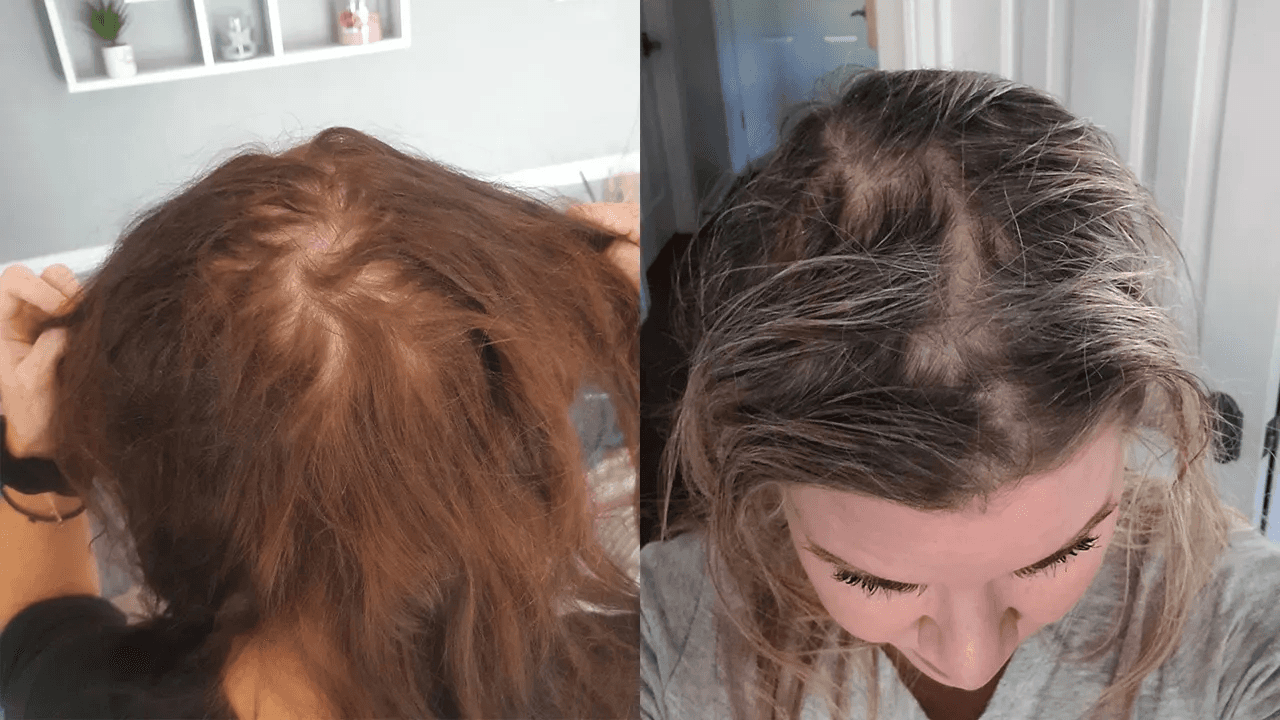
Image by: Live Now Fox
The Crisis
In early 2023, the cult-favorite haircare brand Olaplex was hit with a massive lawsuit. Around 30 consumers alleged that the products caused "severe injuries," including hair loss and scalp burns. What started as a few scattered TikTok videos quickly turned into a viral nightmare under the hashtag #olaplexhairloss.
The Revenue Impact
The financial fallout was staggering. Following the controversy, Olaplex saw its net sales drop by nearly 50% in subsequent quarters. Their stock price, which once sat at over $20, plummeted to the $2 range, erasing billions of dollars in market capitalization.
The Syncly Scenario
Capturing Untagged Voices: Long before the lawsuit, customers were sharing their concerns on TikTok and Reddit. Most didn't tag @Olaplex directly, but they were simply asking, "Is anyone else's hair falling out after using Olaplex?" or "Does anyone else find this bond-builder is making their scalp itch?" While traditional tools missed these because the brand wasn't tagged, Syncly’s untagged mention detection would have captured this "Hidden Social" chatter immediately.
Deep Sentiment Analysis: Syncly doesn't just see "negative" comments. Syncly’s AI would have flagged a specific shift toward "Fear" and "Medical Concern" sentiments. By distinguishing a standard "damaged hair" complaint from a "hair loss" alert, Syncly would have notified the brand months before the legal system took control of the narrative.
The Result: With Syncly, Olaplex could have addressed the concerns within weeks, not months, preserving their reputation as a premium science-led brand and saving billions of dollars in market value.
2. Balenciaga: The High Cost of a Creative Blind Spot
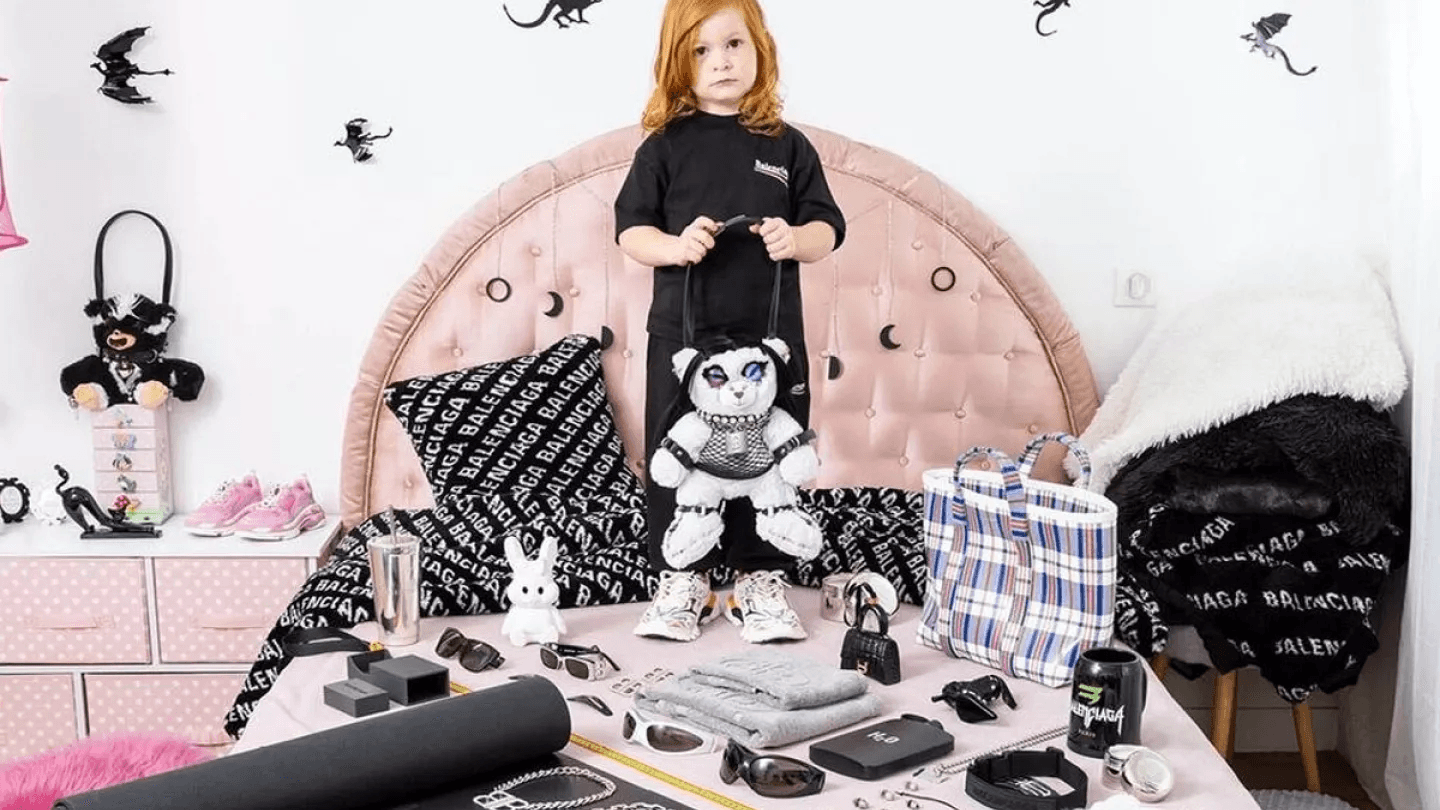
Image by: Balenciaga
The Crisis
In late 2022, Balenciaga released a holiday campaign featuring inappropriate imagery involving children. The backlash was instantaneous, with accusations of glamorizing child exploitation. The brand’s response was slow, allowing the movement to reach hundreds of millions of views before they took action.
The Revenue Impact
Beyond the immediate "cancel culture," Balenciaga dropped from the #1 spot on the Lyst Index. Key ambassadors distanced themselves, and the brand was forced to pull millions of dollars worth of marketing assets during the most profitable "Golden Quarter" of the year.
The Syncly Scenario
Real-Time Sentiment Analysis: Within the first hour of the campaign launch, Syncly would have detected a violent shift in sentiment. Unlike tools that take 24 hours to "batch" data, Syncly’s real-time sentiment analysis would have identified "Moral Outrage" as the dominant emotion instantly.
Spotting the Untagged Viral Spread: Much of the initial outrage happened via screenshots shared in private groups and tweets without handles to avoid brand-loyalist backlash. Syncly would have caught these untagged mentions as they began to trend, alerting the PR team that the fire was spreading in places they weren't even looking.
The Result: With Syncly, Balenciaga could have pulled the campaign within two hours, not two days, preserving their 100-year reputation and saving their holiday revenue.
The Bottom Line: Risk Management is Revenue Management
For a modern brand, "wait and see" is no longer a viable strategy. By the time a crisis reaches your tagged notifications, it has already cost you millions in lost sales and customer trust.
Don't wait for the tag. Hear the signal with Syncly and save your business.
In the world of social media, a brand’s reputation can vanish overnight. But if you look closely at history’s biggest PR disasters, they all share a common thread: The customers were whispering long before they started screaming. The most dangerous part? These whispers rarely show up on your official page. People discuss their fears, frustrations, and suspicions in the “hidden” corners of the internet, on Reddit threads, in the middle of a random TikTok or Reels, or via posts that never actually tag your handle. By the time a crisis is "trending" and hits your tagged notifications, it’s often too late.
The tragedy isn't that these crises happened; it’s that the data to prevent them already existed. It was just buried in conversations you weren't invited to. Here is how two of the most notable crises in recent years could have been completely rewritten if the brands had used Syncly to detect these hidden signals.
1. Olaplex: When 30 Complaints Became a $5 Billion Problem

Image by: Live Now Fox
The Crisis
In early 2023, the cult-favorite haircare brand Olaplex was hit with a massive lawsuit. Around 30 consumers alleged that the products caused "severe injuries," including hair loss and scalp burns. What started as a few scattered TikTok videos quickly turned into a viral nightmare under the hashtag #olaplexhairloss.
The Revenue Impact
The financial fallout was staggering. Following the controversy, Olaplex saw its net sales drop by nearly 50% in subsequent quarters. Their stock price, which once sat at over $20, plummeted to the $2 range, erasing billions of dollars in market capitalization.
The Syncly Scenario
Capturing Untagged Voices: Long before the lawsuit, customers were sharing their concerns on TikTok and Reddit. Most didn't tag @Olaplex directly, but they were simply asking, "Is anyone else's hair falling out after using Olaplex?" or "Does anyone else find this bond-builder is making their scalp itch?" While traditional tools missed these because the brand wasn't tagged, Syncly’s untagged mention detection would have captured this "Hidden Social" chatter immediately.
Deep Sentiment Analysis: Syncly doesn't just see "negative" comments. Syncly’s AI would have flagged a specific shift toward "Fear" and "Medical Concern" sentiments. By distinguishing a standard "damaged hair" complaint from a "hair loss" alert, Syncly would have notified the brand months before the legal system took control of the narrative.
The Result: With Syncly, Olaplex could have addressed the concerns within weeks, not months, preserving their reputation as a premium science-led brand and saving billions of dollars in market value.
2. Balenciaga: The High Cost of a Creative Blind Spot

Image by: Balenciaga
The Crisis
In late 2022, Balenciaga released a holiday campaign featuring inappropriate imagery involving children. The backlash was instantaneous, with accusations of glamorizing child exploitation. The brand’s response was slow, allowing the movement to reach hundreds of millions of views before they took action.
The Revenue Impact
Beyond the immediate "cancel culture," Balenciaga dropped from the #1 spot on the Lyst Index. Key ambassadors distanced themselves, and the brand was forced to pull millions of dollars worth of marketing assets during the most profitable "Golden Quarter" of the year.
The Syncly Scenario
Real-Time Sentiment Analysis: Within the first hour of the campaign launch, Syncly would have detected a violent shift in sentiment. Unlike tools that take 24 hours to "batch" data, Syncly’s real-time sentiment analysis would have identified "Moral Outrage" as the dominant emotion instantly.
Spotting the Untagged Viral Spread: Much of the initial outrage happened via screenshots shared in private groups and tweets without handles to avoid brand-loyalist backlash. Syncly would have caught these untagged mentions as they began to trend, alerting the PR team that the fire was spreading in places they weren't even looking.
The Result: With Syncly, Balenciaga could have pulled the campaign within two hours, not two days, preserving their 100-year reputation and saving their holiday revenue.
The Bottom Line: Risk Management is Revenue Management
For a modern brand, "wait and see" is no longer a viable strategy. By the time a crisis reaches your tagged notifications, it has already cost you millions in lost sales and customer trust.
Don't wait for the tag. Hear the signal with Syncly and save your business.
In the world of social media, a brand’s reputation can vanish overnight. But if you look closely at history’s biggest PR disasters, they all share a common thread: The customers were whispering long before they started screaming. The most dangerous part? These whispers rarely show up on your official page. People discuss their fears, frustrations, and suspicions in the “hidden” corners of the internet, on Reddit threads, in the middle of a random TikTok or Reels, or via posts that never actually tag your handle. By the time a crisis is "trending" and hits your tagged notifications, it’s often too late.
The tragedy isn't that these crises happened; it’s that the data to prevent them already existed. It was just buried in conversations you weren't invited to. Here is how two of the most notable crises in recent years could have been completely rewritten if the brands had used Syncly to detect these hidden signals.
1. Olaplex: When 30 Complaints Became a $5 Billion Problem

Image by: Live Now Fox
The Crisis
In early 2023, the cult-favorite haircare brand Olaplex was hit with a massive lawsuit. Around 30 consumers alleged that the products caused "severe injuries," including hair loss and scalp burns. What started as a few scattered TikTok videos quickly turned into a viral nightmare under the hashtag #olaplexhairloss.
The Revenue Impact
The financial fallout was staggering. Following the controversy, Olaplex saw its net sales drop by nearly 50% in subsequent quarters. Their stock price, which once sat at over $20, plummeted to the $2 range, erasing billions of dollars in market capitalization.
The Syncly Scenario
Capturing Untagged Voices: Long before the lawsuit, customers were sharing their concerns on TikTok and Reddit. Most didn't tag @Olaplex directly, but they were simply asking, "Is anyone else's hair falling out after using Olaplex?" or "Does anyone else find this bond-builder is making their scalp itch?" While traditional tools missed these because the brand wasn't tagged, Syncly’s untagged mention detection would have captured this "Hidden Social" chatter immediately.
Deep Sentiment Analysis: Syncly doesn't just see "negative" comments. Syncly’s AI would have flagged a specific shift toward "Fear" and "Medical Concern" sentiments. By distinguishing a standard "damaged hair" complaint from a "hair loss" alert, Syncly would have notified the brand months before the legal system took control of the narrative.
The Result: With Syncly, Olaplex could have addressed the concerns within weeks, not months, preserving their reputation as a premium science-led brand and saving billions of dollars in market value.
2. Balenciaga: The High Cost of a Creative Blind Spot

Image by: Balenciaga
The Crisis
In late 2022, Balenciaga released a holiday campaign featuring inappropriate imagery involving children. The backlash was instantaneous, with accusations of glamorizing child exploitation. The brand’s response was slow, allowing the movement to reach hundreds of millions of views before they took action.
The Revenue Impact
Beyond the immediate "cancel culture," Balenciaga dropped from the #1 spot on the Lyst Index. Key ambassadors distanced themselves, and the brand was forced to pull millions of dollars worth of marketing assets during the most profitable "Golden Quarter" of the year.
The Syncly Scenario
Real-Time Sentiment Analysis: Within the first hour of the campaign launch, Syncly would have detected a violent shift in sentiment. Unlike tools that take 24 hours to "batch" data, Syncly’s real-time sentiment analysis would have identified "Moral Outrage" as the dominant emotion instantly.
Spotting the Untagged Viral Spread: Much of the initial outrage happened via screenshots shared in private groups and tweets without handles to avoid brand-loyalist backlash. Syncly would have caught these untagged mentions as they began to trend, alerting the PR team that the fire was spreading in places they weren't even looking.
The Result: With Syncly, Balenciaga could have pulled the campaign within two hours, not two days, preserving their 100-year reputation and saving their holiday revenue.
The Bottom Line: Risk Management is Revenue Management
For a modern brand, "wait and see" is no longer a viable strategy. By the time a crisis reaches your tagged notifications, it has already cost you millions in lost sales and customer trust.
Don't wait for the tag. Hear the signal with Syncly and save your business.


Build a brand customers love with Syncly


Build a brand customers love with Syncly